Why Do Stars Twinkle More Near the Horizon?
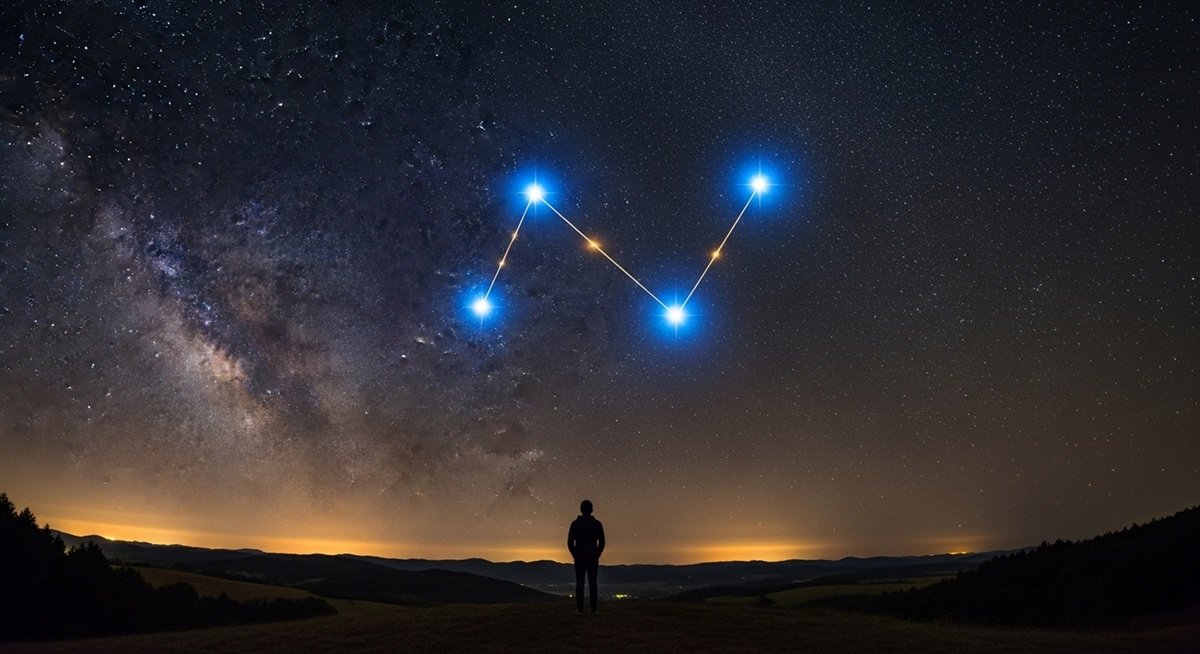
Many people notice that stars close to the horizon seem to flicker and sparkle much more dramatically than stars overhead. Sometimes they even appear to change color rapidly or flash between different shades.
Direct Answer
Stars often twinkle more near the horizon because their light travels through a thicker layer of Earth’s atmosphere before reaching your eyes. As starlight passes through more moving air, temperature layers, and atmospheric turbulence, the light bends and shifts more frequently, making stars appear to flicker more strongly.
Key Takeaways
- Stars near the horizon pass through more atmosphere.
- Atmospheric turbulence causes visible twinkling.
- Temperature differences in the air affect starlight.
- Color changes can sometimes become more noticeable near the horizon.
- Planets usually twinkle less than stars.
Why Stars Twinkle at All
Twinkling is caused by Earth’s atmosphere rather than the stars themselves.
As starlight enters the atmosphere, it passes through constantly moving pockets of air with different temperatures and densities. These air layers bend light slightly in changing directions.
This process is known as atmospheric refraction.
Because the atmosphere never stays perfectly still, the amount of bending changes continuously.
That movement creates the flickering effect people recognize as twinkling.
Why the Horizon Makes It Stronger
Stars high overhead travel through a relatively shorter path in the atmosphere.
Near the horizon, however, the situation changes dramatically.
Light from a low star may pass through much more atmosphere before reaching an observer. That means the light encounters:
- More temperature layers
- More air movement
- More moisture
- More dust
- More atmospheric distortion
Each additional layer slightly alters the light path.
The result is stronger and more noticeable twinkling.
Why Stars Sometimes Change Color Near the Horizon
People occasionally notice stars flashing between red, blue, orange, or green tones when close to the horizon.
This happens because the atmosphere bends different wavelengths of light by slightly different amounts.
As turbulence shifts rapidly, those colors may briefly separate and become easier to notice.
Bright stars such as Sirius are especially known for showing dramatic color flickering under certain conditions.
Weather Conditions Can Make Twinkling Worse
Not every night produces the same amount of twinkling.
Several factors can increase atmospheric instability:
- Wind
- Humidity
- Heat rising from surfaces
- Temperature differences
- Storm systems
- Air turbulence
Warm air moving across rooftops or roads can sometimes create surprisingly noticeable distortion.
Cold stable nights occasionally produce much steadier skies.
Why Planets Usually Twinkle Less
Planets often appear steadier than stars.
Stars are extremely distant and appear almost like tiny points of light. Small atmospheric disturbances affect the entire point source at once.
Planets appear slightly larger in the sky, so atmospheric effects tend to average out across their visible disk.
That is why Jupiter or Saturn often looks more stable than nearby stars.
Why This Matters for Telescope Viewing
Strong twinkling can affect astronomy observations.
Heavy atmospheric turbulence may reduce:
- Planet detail
- Sharp focus
- Contrast
- Viewing comfort
Many astronomers prefer observing planets when they are positioned higher above the horizon because the light travels through less atmosphere.
Sometimes waiting an hour or two can noticeably improve image quality.
Human Experience
Many beginners first notice this effect while watching a bright star rise after sunset. A star near the horizon can look unusually active, flashing and changing colors in ways that almost seem artificial.
Later in the night, that same star often appears calmer once it climbs higher into the sky. The difference can be surprisingly noticeable even without a telescope.
FAQ
Why do stars twinkle more than planets?
Stars appear as tiny points of light, making atmospheric distortion more obvious. Planets have a slightly larger apparent size, which usually smooths out the effect.
Why do stars near the horizon change color?
Atmospheric refraction and turbulence can temporarily separate colors in starlight, creating brief color shifts.
Does weather affect twinkling?
Yes. Wind, temperature changes, humidity, and atmospheric instability can all increase visible twinkling.
Why do stars overhead twinkle less?
Light from overhead stars generally travels through less atmosphere, reducing distortion.
Is heavy twinkling good for telescope viewing?
Not usually. Strong atmospheric turbulence can reduce sharpness and make observing more difficult.