Lunar & Beyond | Astronomy & Stargazing Guide Blog
Direct Answer Some of the best stargazing spots near Brisbane are generally found in darker areas away from city lights, including the Scenic Rim, Mount Mee, and parts of the Sunshine Coast hinterland. Clear...
Direct Answer Dark sky locations in Australia are generally easier to find in remote areas away from major cities and artificial lighting. Using light pollution maps, checking moon phases, and choosing clear weather conditions...
Direct Answer The Milky Way is generally easiest to see in Brisbane from late autumn to early spring, with winter often offering the clearest conditions. It is typically visible between late evening and early...
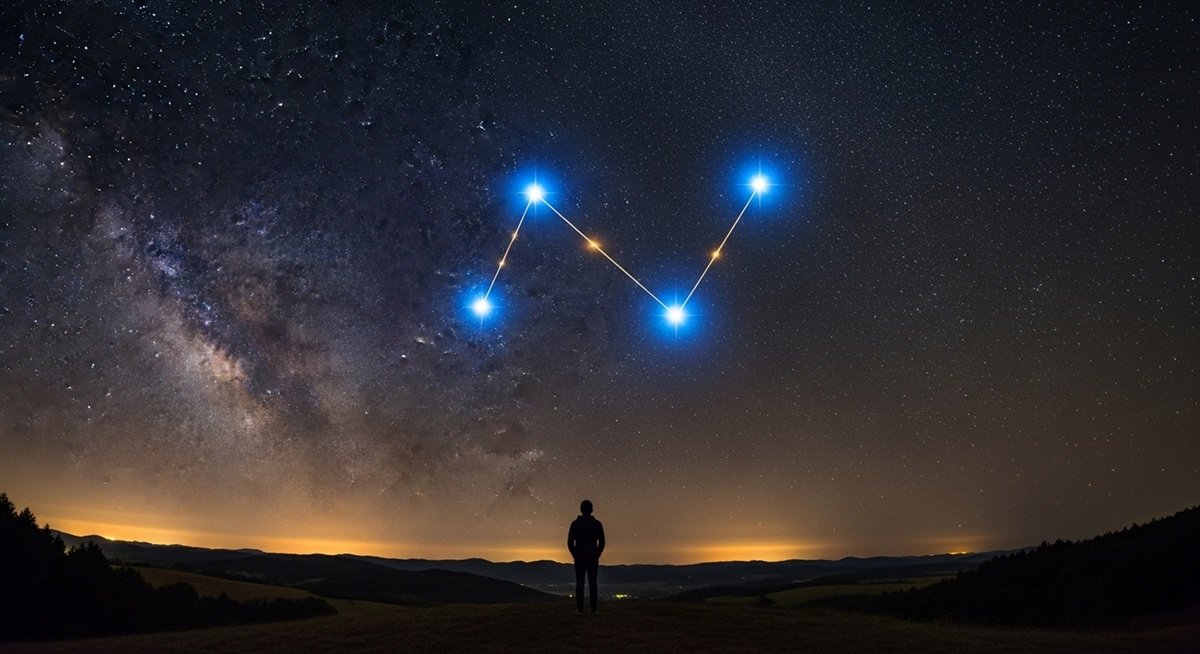
If you’ve ever looked up at the night sky and noticed two bright stars sitting side by side, you may have already spotted Gemini, one of the most recognizable constellations. Known as “The Twins,”...
If you’ve ever stepped outside on a clear Queensland night and felt like the sky was trying to tell you something, you’re not wrong. This state is one of Australia’s best-kept secrets for stargazing,...
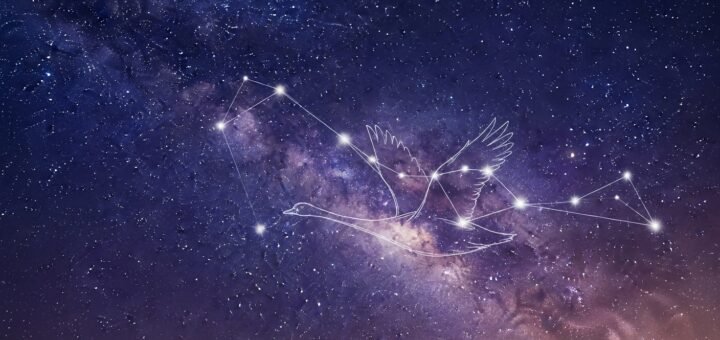
What Exactly Is a Constellation? If you’ve ever looked up at the night sky and noticed groups of stars forming patterns, you’ve already experienced the basic idea of a constellation. A constellation is simply...
Look up at the night sky long enough, and you’ll eventually notice something interesting—the Moon doesn’t always look the same. Sometimes it appears unusually large and bright, while other times it glows with an...
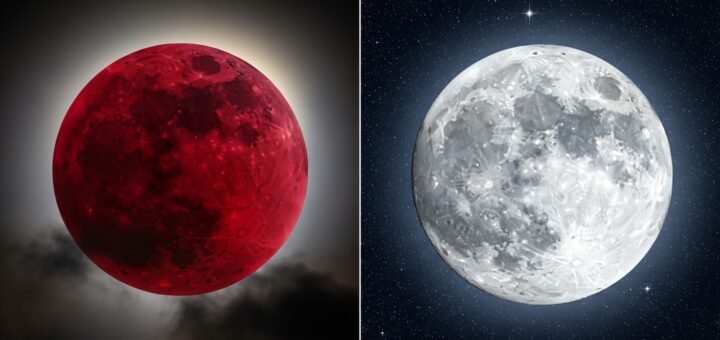
Have you ever looked up at the night sky and seen the Moon glowing a deep copper or crimson red? That eerie, dramatic sight is what people commonly call a blood moon. Despite the...
Understanding Earth’s Current Moon System How the Moon Shapes Life on Earth The Moon is far more than a beautiful object in the night sky—it is a fundamental component of Earth’s environment and stability....
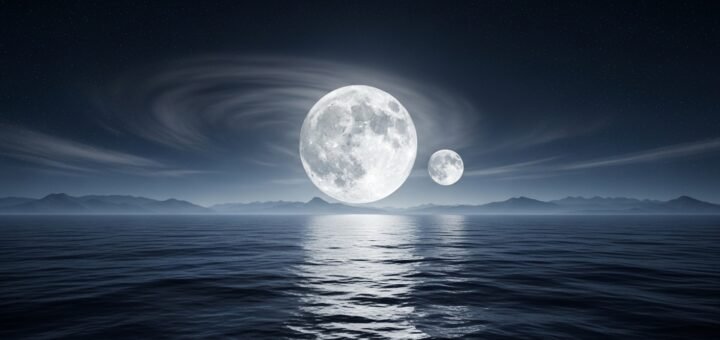
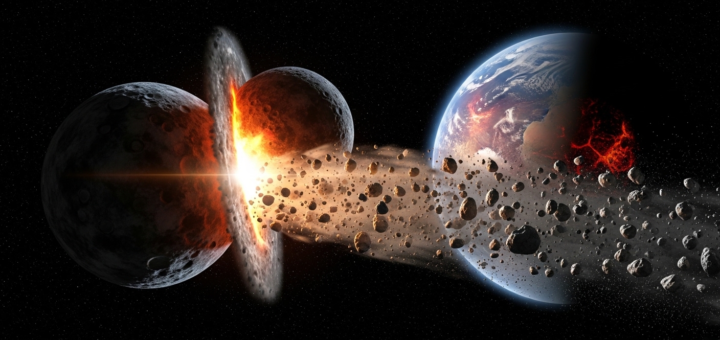
Look up at the night sky and you’ll see one familiar companion shining above us: the Moon. For thousands of years, humanity believed Earth had exactly one natural satellite—and that seemed perfectly obvious. Yet...