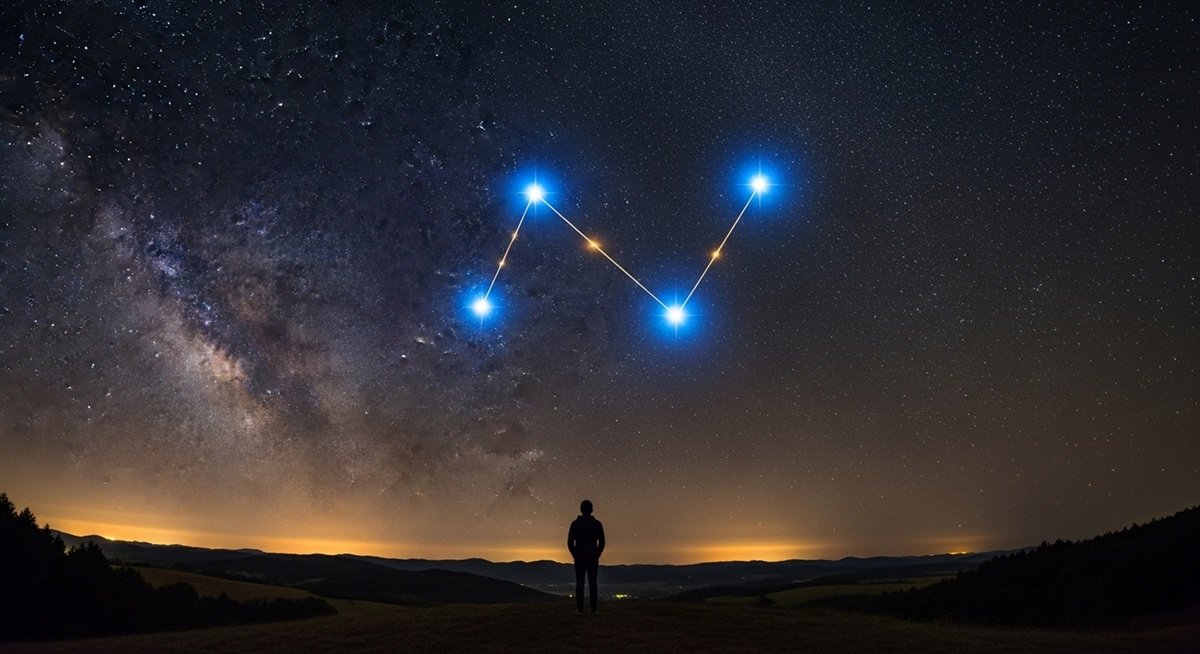

Can You See the Milky Way From the City?
Many people assume the Milky Way is invisible unless you travel deep into the countryside. While city lights make viewing much more difficult, the answer is not always a simple yes or no.
Direct Answer
You can sometimes see parts of the Milky Way from a city, but visibility depends heavily on light pollution, moon phase, weather conditions, and the brightness of your local sky. In heavily illuminated urban areas, the Milky Way is often difficult to see, while darker suburbs or city outskirts may occasionally provide better viewing opportunities.
Key Takeaways
- Light pollution is the biggest obstacle for Milky Way viewing in cities.
- Moonless nights generally improve visibility.
- City outskirts often perform better than dense urban centers.
- Eyes usually need 20–30 minutes to fully adapt to darkness.
- Even short drives away from city lights can make a noticeable difference.
Why Cities Make Milky Way Viewing Difficult
The Milky Way is not actually disappearing above cities.
Artificial light from buildings, roads, shopping areas, stadiums, and streetlights brightens the night sky and reduces contrast. This effect is commonly called skyglow.
The brighter the sky becomes, the harder it is to see faint celestial objects.
Since the Milky Way contains many subtle structures and dim star clouds, reduced contrast can quickly make it fade from view.
Some Cities Are Better Than Others
Not every city has identical viewing conditions.
A dense downtown skyline often produces much stronger light pollution than:
- Smaller cities
- Outer suburbs
- Hillside areas
- Coastal outskirts
- Nearby rural regions
A location only 20–40 minutes outside a city can sometimes reveal dramatically more stars.
This surprises many beginners.
Moonlight Can Make City Viewing Worse
Even if the weather is perfect, moonlight may further reduce visibility.
Bright moon phases add extra light to the sky, lowering contrast and making already difficult Milky Way viewing even more challenging.
For better conditions, many stargazers prefer:
- New Moon periods
- Moonset before observing
- Several hours of uninterrupted darkness
Sometimes moonlight affects visibility nearly as much as city lighting itself.
Dark Adaptation Still Matters
Many people step outside for a few minutes and immediately judge sky quality.
Human eyes need time.
For most people, full dark adaptation takes around 20–30 minutes. During that period, the eyes become more sensitive to faint light, allowing additional stars and sky details to gradually appear.
Phone screens can interrupt this process surprisingly quickly.
Weather and Air Quality Can Affect Visibility
Humidity, haze, and airborne particles may scatter city lights even more.
This can create stronger skyglow and reduce contrast across the sky. Dry air and clear conditions often provide better transparency for astronomy.
Cold winter nights occasionally produce especially clear skies in some regions.
What Can Help If You Live in a City?
You do not necessarily need expensive equipment.
Simple improvements can sometimes help:
Move Away From Direct Lighting
Avoid standing under streetlights or bright buildings.
Find Elevated Locations
Hills and open viewpoints may reduce nearby visual obstructions.
Observe During New Moon Periods
Less moonlight generally helps.
Consider Short Trips Outside the City
Even relatively small changes in location can create major differences.
Human Experience
Many beginner stargazers first assume astronomy is disappointing because city skies often hide more than they reveal. Then they visit a darker location and suddenly realize how much of the sky was missing.
For many people, the first truly dark-sky experience becomes a memorable moment. The number of visible stars can feel almost unreal compared to urban environments.
FAQ
Can you see the Milky Way from Brisbane?
Visibility within brighter parts of Brisbane can be difficult because of light pollution. Outskirts and darker rural areas generally provide better conditions.
Is the Milky Way visible in suburbs?
Some darker suburbs may occasionally allow partial visibility, especially during moonless nights with good weather conditions.
Does light pollution completely block the Milky Way?
Not necessarily. It often reduces contrast and visibility, but darker areas within or near cities may still reveal brighter sections.
Can binoculars help in cities?
Binoculars can help reveal additional stars and clusters, but dark skies usually matter more than magnification for Milky Way viewing.
Why can I see stars but not the Milky Way?
The brightest stars remain visible even in light-polluted skies, while the Milky Way contains many fainter structures that disappear first.