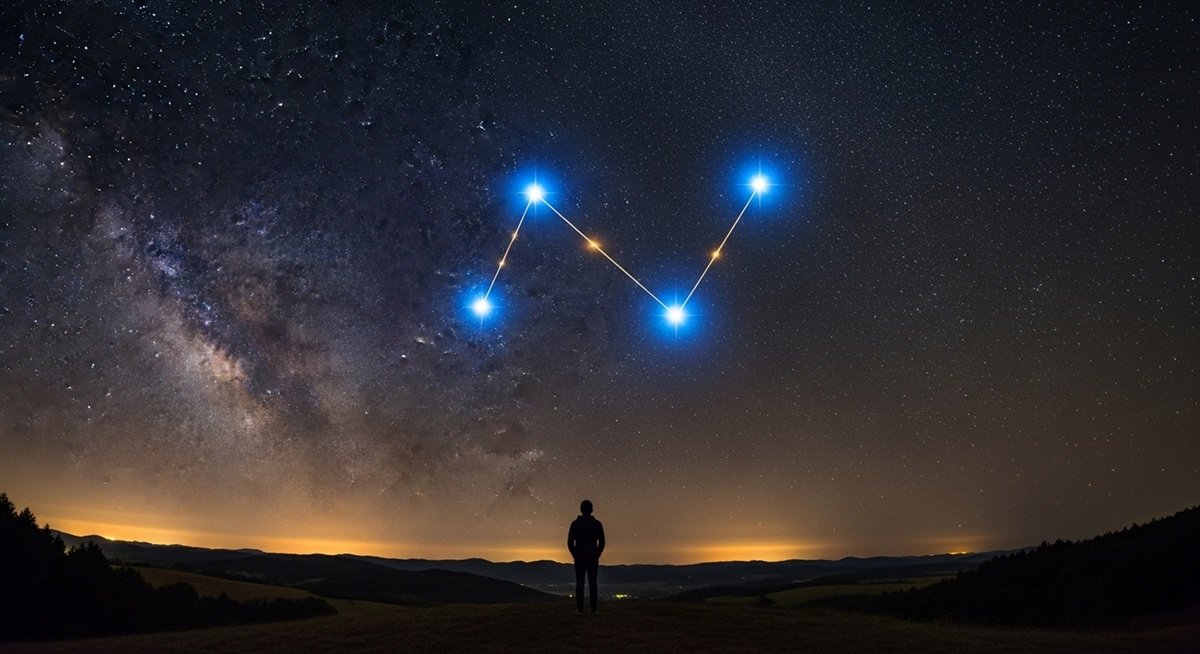

Best Time to See the Milky Way in Queensland
A lot of people head outside hoping to see the Milky Way, only to find a faint or nearly invisible sky. In Queensland, timing makes a huge difference, and factors like moonlight, season, humidity, and light pollution can completely change the experience.
Direct Answer
The best time to see the Milky Way in Queensland is generally between late autumn and early spring, especially from around April to September when the galactic core becomes more visible during darker evening hours. Clear moonless nights away from city lights usually provide the best conditions, particularly after full darkness settles and humidity remains low.
Key Takeaways
- The Milky Way is often easiest to see in Queensland from April to September.
- Moonless nights generally provide much better visibility.
- Dark rural areas dramatically improve viewing conditions.
- Eyes typically need 20–30 minutes to fully adjust to darkness.
- Winter nights often provide clearer skies and lower humidity.
Why Queensland Is Good for Stargazing
Queensland has several advantages for Milky Way viewing.
Large rural areas, lower population density outside major cities, and access to dark inland skies can create excellent conditions for naked-eye stargazing. Southern Hemisphere viewing also offers a strong perspective of the Milky Way’s galactic core during parts of the year.
Even locations a few hours away from Brisbane or the Gold Coast can look dramatically darker than suburban skies.
The Best Months for Milky Way Visibility
The Milky Way can technically be seen at different times of the year, but visibility changes depending on the position of the galactic core.
In Queensland:
- April and May often mark the beginning of strong visibility.
- June through August are commonly considered peak months.
- September can still provide excellent viewing opportunities.
During winter, the galactic core generally rises earlier in the evening, making observation more convenient for beginners.
Why Moon Phase Matters So Much
Moonlight is one of the biggest factors affecting Milky Way visibility.
A bright Moon can wash out faint stars and reduce contrast across the sky. Even otherwise perfect weather conditions may produce disappointing results if the Moon is too bright.
For better visibility, many stargazers prefer:
- New Moon periods
- Nights when the Moon sets early
- Several hours of full darkness without moonlight
This often matters more than telescope quality.
What Time of Night Is Best?
The ideal viewing time changes throughout the year.
In general, the Milky Way becomes easier to see after full darkness settles and the galactic core rises higher above the horizon. During Queensland winters, visibility often improves earlier in the evening compared to warmer months.
Around midnight or later, darker skies and reduced atmospheric haze can sometimes improve contrast even further.
Best Conditions for Seeing the Milky Way
Several conditions usually help:
Dark Skies
Light pollution is one of the biggest obstacles.
Clear Weather
Cloud cover and humidity reduce visibility surprisingly quickly.
Low Humidity
Dry winter air often improves sky transparency.
Minimal Artificial Light
Even nearby streetlights can reduce contrast.
Good Milky Way Viewing Areas in Queensland
Queensland has many popular dark-sky regions for astronomy and astrophotography.
Areas commonly mentioned by stargazers include:
- Inland rural regions west of Brisbane
- Outback Queensland locations
- National parks with low light pollution
- Remote camping areas away from highways and towns
Coastal humidity can sometimes reduce clarity compared to drier inland areas.
Do You Need a Telescope?
No telescope is required to see the Milky Way.
In fact, many people enjoy it best with the naked eye because the structure stretches across such a wide section of the sky. Binoculars may help reveal denser star fields and clusters, but dark skies usually matter far more than magnification.
Human Experience
The first clear Milky Way sighting often surprises people because it looks different from edited online photos. Instead of bright neon colors, the galaxy usually appears as a textured cloudy band with subtle detail spread across the sky.
On especially dark winter nights in Queensland, the number of visible stars can feel overwhelming compared to city skies. Many beginners end up spending more time simply looking upward than using any equipment.
FAQ
Can you see the Milky Way from Brisbane?
It can be difficult within brighter parts of Brisbane because of light pollution. Darker rural areas outside the city generally provide much better visibility.
What moon phase is best for Milky Way viewing?
New Moon periods or nights with minimal moonlight are usually considered ideal for seeing the Milky Way.
Is winter the best time for Milky Way viewing in Queensland?
Winter is often popular because skies can become clearer and the galactic core is typically visible during more convenient evening hours.
Do you need a telescope to see the Milky Way?
No. The Milky Way is commonly viewed with the naked eye under dark sky conditions.
Why does the Milky Way look faint sometimes?
Light pollution, moonlight, humidity, haze, and incomplete dark adaptation can all reduce visibility.