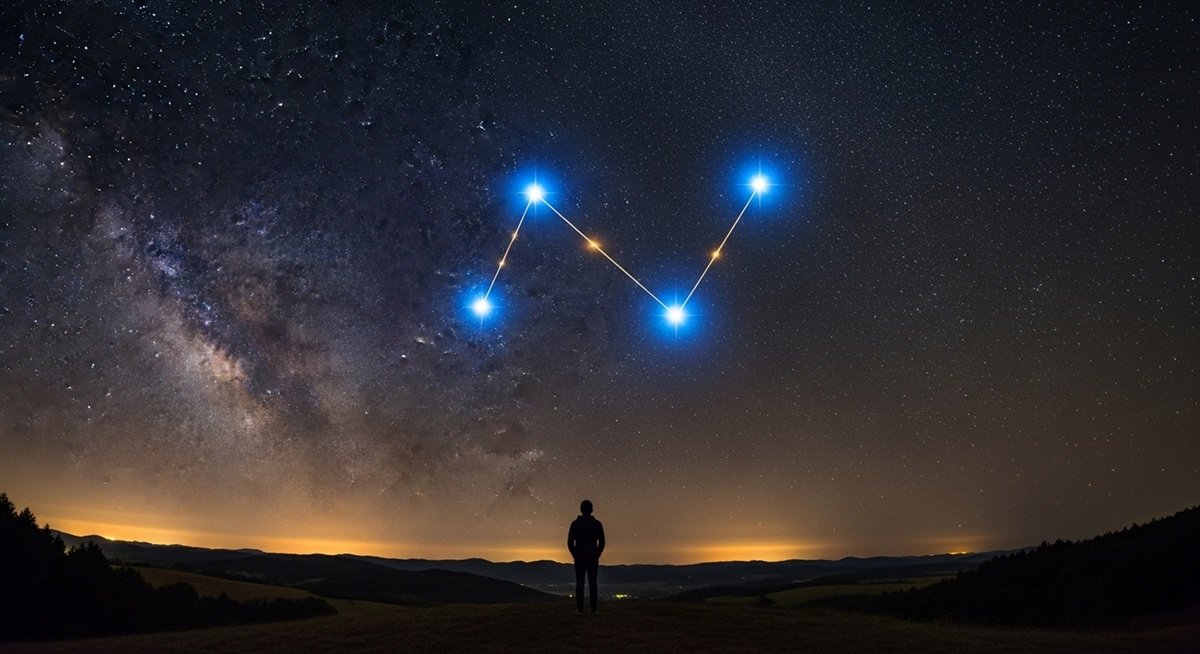

Why Do Stars Look Brighter in Cold Weather?
Many people notice that stars seem sharper and brighter during cold winter nights. While the stars themselves are not suddenly producing more light, colder weather can sometimes create clearer viewing conditions that make the night sky appear more vivid to observers on the ground.
Direct Answer
Stars often look brighter in cold weather because colder air can contain less moisture and may produce steadier atmospheric conditions. Clear winter nights frequently have lower humidity, reduced haze, and better transparency, which allows starlight to travel through the atmosphere with less scattering and distortion.
Key Takeaways
- Cold air often contains less moisture than warm air.
- Reduced humidity can improve sky transparency.
- Winter nights may appear darker and clearer.
- Stable atmospheric conditions can make stars look sharper.
- Local weather, pollution, and altitude still affect visibility.
Cold Air Usually Means Less Moisture
One of the biggest reasons stars appear brighter in colder weather is lower humidity.
Warm air can hold much more water vapor than cold air. During humid nights, moisture in the atmosphere scatters light and reduces contrast across the sky. This can make stars appear softer or dimmer.
On colder nights, the air is often drier, which may allow more direct starlight to reach your eyes.
This difference can become surprisingly noticeable outside cities or in darker rural locations.
Winter Skies Can Look More Transparent
Astronomers often talk about “transparency” when describing sky quality.
Good transparency means the atmosphere is allowing light to pass through cleanly with minimal haze, smoke, or moisture. Cold weather systems sometimes bring crisp, clear air after rain or strong winds, which can dramatically improve nighttime visibility.
That is why winter constellations often appear especially sharp on certain nights.
Less Atmospheric Turbulence Can Help
Brightness is not only about light intensity. Sharpness also changes how bright stars appear to our eyes.
On calm cold nights, the atmosphere may become more stable, reducing the shimmering effect caused by moving air layers. When stars twinkle less aggressively, they can appear cleaner and more concentrated.
However, conditions vary.
Some winter nights still produce unstable air, especially near cities, coastlines, or areas with strong winds.
Light Pollution Becomes More Noticeable in Humid Weather
Humidity can scatter artificial light from cities and suburbs across the sky.
This creates a glowing effect often called skyglow. During warmer humid conditions, skyglow may become stronger and reduce the visibility of fainter stars.
Dry cold air can sometimes reduce this scattering effect, allowing more stars to become visible even from semi-urban areas.
Why Winter Stargazing Often Feels Better
There is also a psychological side to winter stargazing.
Cold air can feel fresher and cleaner, and darker winter nights may create stronger contrast between the sky and visible stars. In many regions, people also spend less time outdoors during winter, so exceptionally clear nights tend to feel more memorable.
For beginner stargazers, winter is often the season when the Milky Way, Orion, Sirius, and other bright celestial objects first become truly noticeable.
Not Every Cold Night Has Great Viewing Conditions
Cold weather alone does not guarantee excellent stargazing.
Several other factors still matter:
- Cloud cover
- Wind
- Air pollution
- Moon brightness
- Altitude
- Local humidity
- Atmospheric stability
A mild dry night can sometimes provide better visibility than an extremely cold but turbulent night.
Human Experience
Many amateur astronomers notice that their favorite observing nights often happen during colder months. There is something different about stepping outside into crisp night air and immediately seeing brighter stars overhead.
At the same time, winter observing can become uncomfortable surprisingly quickly. Even on clear nights with excellent visibility, cold temperatures may shorten observing sessions unless proper clothing and equipment are prepared in advance.
FAQ
Are stars actually brighter in winter?
The stars themselves are not becoming brighter. The atmosphere during colder weather can sometimes become clearer and drier, making stars appear brighter from Earth.
Why do stars twinkle less on some cold nights?
This is often related to atmospheric stability. Calm air with less turbulence can reduce the shimmering effect caused by moving air layers.
Does humidity affect stargazing?
Yes. High humidity can scatter light and reduce contrast, especially near cities with significant light pollution.
Is winter the best season for stargazing?
It depends on the location and what objects you want to observe. Winter often provides very clear skies in many regions, but conditions can vary throughout the year.
Why can I see more stars after a cold front passes?
Cold fronts sometimes push dust, moisture, and pollution out of the atmosphere, temporarily improving sky transparency.
INTERNAL LINK SUGGESTIONS
- Why Does My Telescope Look Blurry at Night?
- Best Time to See the Milky Way in Queensland
- Can You See the Milky Way Without a Telescope?