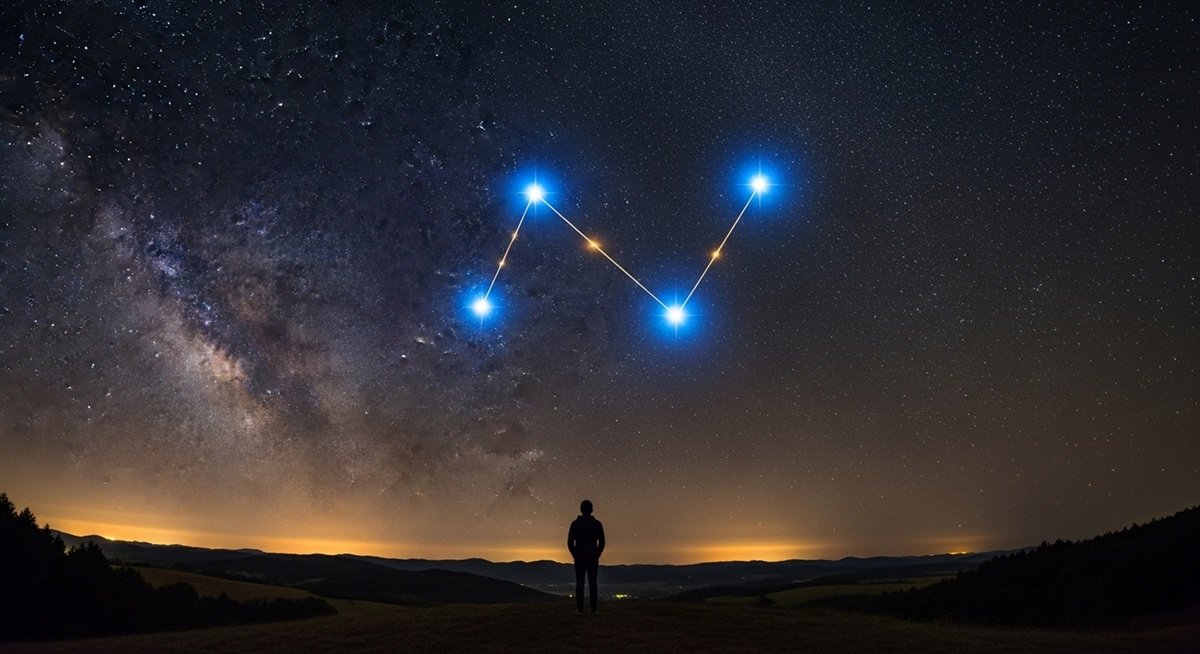

When Is the Best Time to See the Milky Way in Brisbane? (Season & Viewing Guide)
Direct Answer
The Milky Way is generally easiest to see in Brisbane from late autumn to early spring, with winter often offering the clearest conditions. It is typically visible between late evening and early morning, especially in darker areas away from city lights.
Key Takeaways
- Best season: late autumn to early spring
- Winter often provides clearer viewing conditions.
- Dark locations outside Brisbane improve visibility.
- Best viewed between late evening and early morning
- Moonlight and clouds can reduce visibility.
A Simple Way to Plan Your Viewing
If you want a quick way to decide when to go, focus on three things: season, darkness, and sky conditions. When these align, the Milky Way becomes much easier to recognize, even if you are seeing it for the first time.
When Can You See the Milky Way in Brisbane?
The Milky Way can be seen at different times of the year, but visibility changes depending on the season. From late autumn through winter, the central region of the galaxy rises higher above the horizon, which generally makes it easier to observe.
During warmer months, the Milky Way is still present, but it may appear lower in the sky or at less convenient times of the night.
What Time of Night Is Best?
The ideal viewing time varies depending on the season, but it is typically between late evening and early morning.
- Early season: tends to rise later at night.
- Mid-season: becomes visible earlier.
- Peak period: often visible not long after sunset
As the season progresses, you usually do not need to stay out as late to see it.
Why Location Often Matters More Than Timing
Even with good timing, staying within Brisbane can limit what you see. Light pollution reduces contrast in the sky and makes faint stars harder to detect.
Better visibility is often possible if you:
- Travel away from the city.
- Choose areas with minimal artificial lighting.
- Face away from the brightest part of the horizon.
Even a short drive can noticeably improve visibility.
Conditions That Can Improve or Reduce Visibility
- Clear skies generally improve visibility.
- Low moonlight helps increase contrast.
- Stable air can make stars appear sharper.
- Nearby artificial lights can reduce visibility.
Because these conditions change frequently, what you see can vary from one night to the next.
What Helped Me Recognize It the First Time
The first time I tried to see the Milky Way near Brisbane, I expected it to stand out immediately. It didn’t. At first, the sky looked normal. After waiting and moving away from nearby lights, I began to notice a faint, cloudy band. Once I recognized it, it became much easier to spot on future nights.
FAQ
Can you see the Milky Way from Brisbane City?
It can be difficult due to light pollution, especially in brighter parts of the city. Visibility generally improves in darker areas outside Brisbane.
What months are more suitable for viewing?
Late autumn to winter is often more convenient, as the Milky Way appears higher in the sky and nights are longer.
Do you need a telescope?
No, the Milky Way is typically visible to the naked eye under dark conditions. Binoculars may enhance the experience, but are not required.
Why does it sometimes look faint?
The Milky Way can appear faint because it is made up of distant stars. Visibility can also be affected by light pollution, clouds, and moonlight.
Internal Link Suggestions
- Best Stargazing Spots Near Brisbane
- How to Use a Light Pollution Map
- How to Find Dark Sky Locations in Australia